
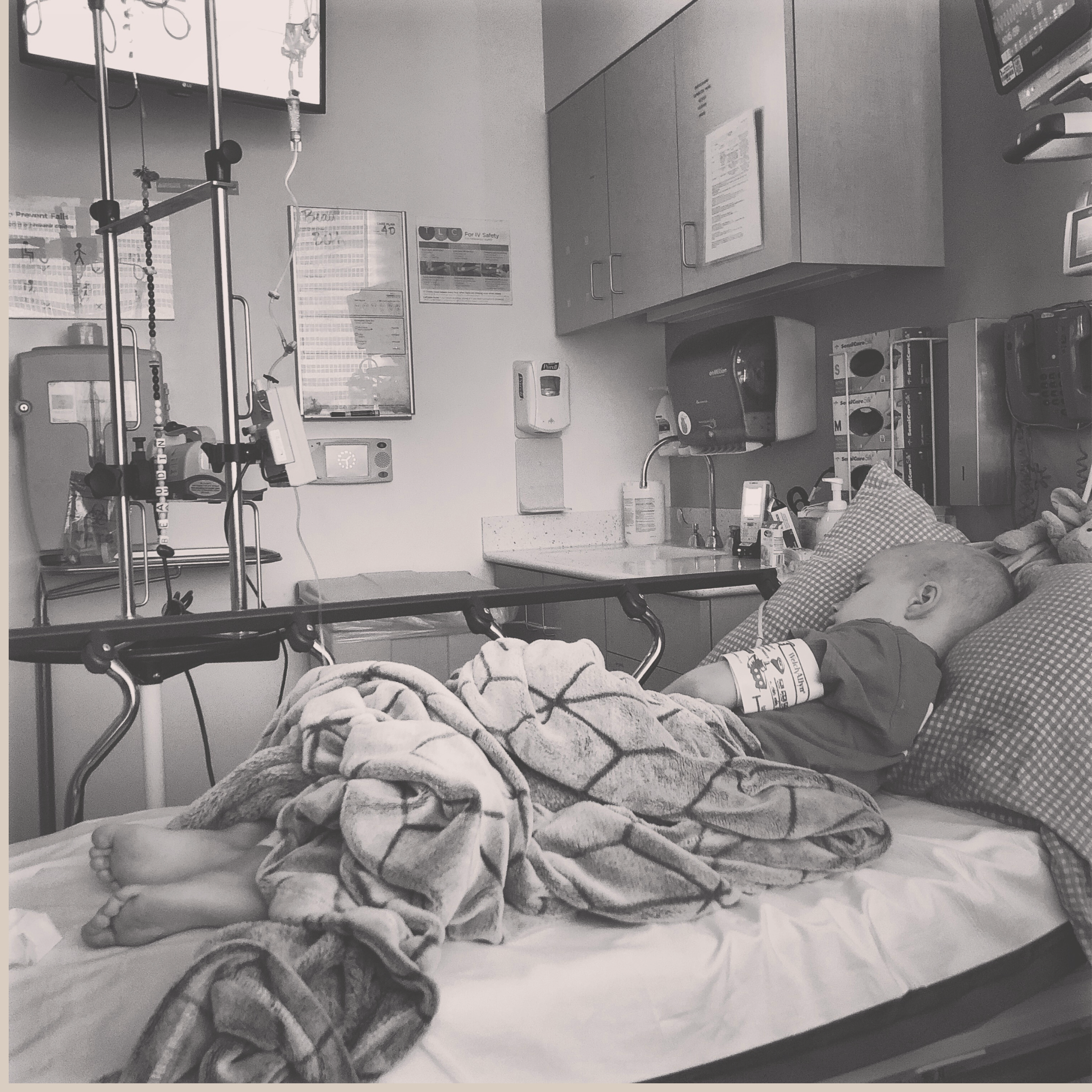
Part 1: The Hard That Comes First
There is so much I want to tell you, and honestly, I’m not entirely sure where to begin. So let’s start the way I’ll invite you to start, over and over again:
Place one hand on your heart and the other on your belly. Feel the weight of your body beneath your palms. Take one slow, steady breath.
Things are about to get hard. Really hard. The kind of hard where you can’t breathe, might throw up, and realize you haven’t truly eaten or slept in a week. A hard that feels certain it will split your body in two—yet somehow, every day, you will wake up whole and wonder how it’s possible to do it all again.
The kind of hard that makes you cry simply because you know the only way out is through.
It will be the hard you’ve only ever brushed up against in imagination when watching someone else suffer—something you knew existed but could never picture yourself enduring.
The kind of hard that makes you ache over every petty thing you once complained about.
The hard that has everyone offering to help, and yet no amount of help feels like help at all.
You’ll be relieved that someone grabbed the sibling from school and another is rocking the baby at home, but where you expect to have gratitude, you will mostly find a thick, mucky grief.
When you see a classmate—who has come over with his mom to help—casually slip on his tennis shoes and tie them to leave, you will boil with rage, thinking, “WHY DID MY BABY GET CANCER? WHY NOT HIM?”
And then, as you hug his mom good-bye, you’ll catch yourself and think, “Where did that come from… I don’t want him to have cancer.”
But as they walk down the driveway, something inside you will empty out. You’ll close the front door, lean your back against it, and slide down to the floor, crouched and exhausted, thinking, “I want to put on my shoes and drive away too.”
You’ll stare at the floor while your other kids carry on around you and wonder how things inside you could go so dark, so quickly.
It will be the kind of hard where anger keeps erupting in the most unnerving—and somehow, strangely comforting—ways. You will rage at the night nurse who insists the incessant beeping is fine, that the monitor was simply set wrong. Then you will rage at the friend who tells you that you need to eat.
“Eat something?” you’ll think. “My kid is dying, and all you care about is me eating?”
And then you’ll take the smoothie from her hand, and as you drink it, realize you haven’t eaten in two full days. You’ll cry, and wonder if this kind of hard is going to last forever.
This is the hard that makes you cry a year later when you read, “Grief and gratitude are often clenched in the same fist.”
The kind of hard that leaves you so furious at everyone trying to love you that you wonder, sometimes, if their care will run out before you’re whole again.
It will be hard because there will be a crowd of supporters around you, and yet you will feel more alone than you ever have. Supportive or not, the island of a cancer mom is built for one. Even God will feel distant in this valley.
Everyone is still there—it’s just that this kind of hard makes it impossible to feel their presence. Or rather, you do feel it, but you’re also feeling so many other things at once that you can’t tell the difference. Everything will feel heavy.
And it will be hard because people everywhere will be asking how they can help, and still, you will feel completely alone—certain that the only one who can carry the weight is you.
This is the hard that reveals many things in hindsight, but almost nothing in the moment. It will be the kind of hard where you find yourself listening to songs that once felt comforting and quietly sobbing—not because you’re comforted, but because you wish you didn’t have to listen with such desperation for meaning.
Not desperation like your youth-group, high-on-faith teenage self once imagined, but desperation like a mother who doesn’t know if cancer means life or death.
This is the hard that makes you understand, in a way you never did before, what people mean when they say “praying in groans”—that wordless, guttural pleading that comes from a body pushed beyond language. It’s the only kind of prayer that will make any sense at all.
You will feel like you are trying to stay afloat in the middle of a raging sea, and every moment you gasp a breath is followed by a crushing wave that takes you under. You will come back up, but you will also swallow a lot of salty water.
So much salty water.
You will cough, choking, sure you are dying, and then you’ll get another breath—and be both thankful and just plain tired, all at once.
It’s going to feel impossible—hard in a way you could never have imagined. And perhaps the hardest part will be believing that you will get through it. Or maybe even harder than that will be wanting to.
And really, mama, it’s not going to get easier for a long while.
This is Part One of a two-part letter.
You can read Part Two here: The Hope That Follows Slowly.


Leave a Reply